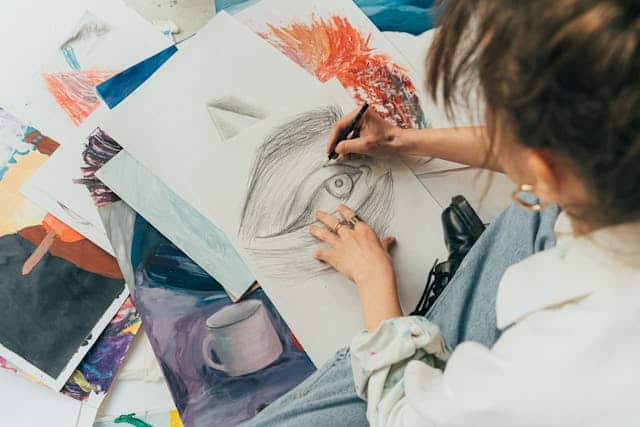
Art has always been a powerful way for students to express their thoughts, emotions, and imagination. While paint and color often take the spotlight, pencil drawings carry a unique charm. The simplicity of a pencil allows students to focus on details, shading, and form, helping them build a deeper connection with their artwork. Creative pencil drawings not only develop artistic skills but also inspire students to express their feelings and ideas in meaningful ways.
The Power of Pencil Art
Pencil drawings are versatile and accessible to everyone. A single pencil can create delicate lines, bold strokes, and intricate textures. For students, this medium teaches patience, observation, and precision. Unlike paint or markers, pencil art allows for easy corrections, making it beginner-friendly and less intimidating. Through practice, students gain confidence and learn that even simple tools can create powerful expressions.
Expressing Emotions Through Art
One of the most meaningful aspects of pencil drawing is the ability to convey emotions. Students can capture joy, sadness, curiosity, or even dreams through expressive sketches. For example, drawing faces with different emotions, nature scenes that reflect calmness, or abstract shapes that symbolize inner thoughts can help students communicate feelings they might not express in words. This makes pencil art an excellent tool for emotional development and self-awareness.
Creative Pencil Drawing Ideas for Students
- Portrait Studies – Encourage students to sketch faces, either of friends, family, or imagined characters. They can experiment with shading to highlight different moods or personalities.
- Nature Sketches – Trees, flowers, and animals offer endless possibilities. Drawing from nature sharpens observation skills and nurtures appreciation for the environment.
- Still Life – Everyday classroom objects like books, bottles, or fruit baskets can be transformed into detailed sketches. This exercise improves concentration and attention to form.
- Abstract Art – Not every drawing has to be realistic. Students can explore lines, patterns, and shapes to create unique designs that reflect their individuality.
- Imaginative Worlds – Pencil drawings allow students to dream beyond reality. They can sketch fantasy lands, futuristic cities, or creatures from their imagination.
Integrating Pencil Art into Classroom Learning
Teachers can make pencil drawing projects meaningful by linking them to other subjects. For instance, students can illustrate scenes from history lessons, sketch scientific diagrams with creative flair, or draw visual interpretations of poems in literature. This cross-disciplinary approach makes learning more engaging and helps students see art as a universal form of expression.
Benefits for Students
- Improves Focus and Patience – Detailed pencil work requires careful attention, strengthening concentration.
- Boosts Confidence – Completing a drawing gives students a sense of achievement.
- Encourages Mindfulness – Sketching can be relaxing and helps reduce stress.
- Enhances Creativity – Students learn to think outside the box while experimenting with styles.
Final Thoughts
Creative pencil drawings go beyond being simple art exercises—they serve as a medium for self-expression, imagination, and emotional growth. By encouraging students to explore pencil sketches, teachers give them the opportunity to discover their inner voice and showcase their creativity in a meaningful way. With just a pencil and paper, students can create art that inspires, heals, and communicates more than words ever could.