
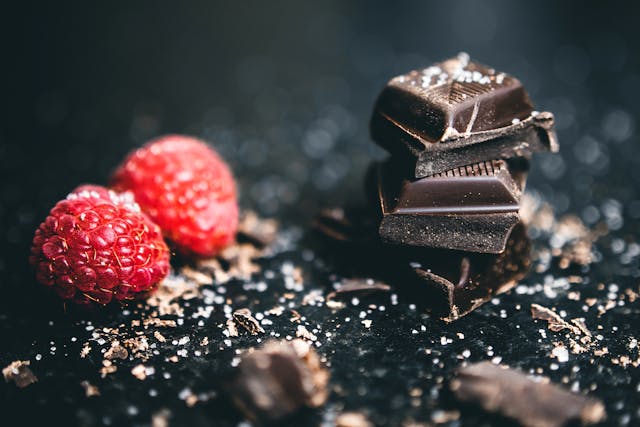
Chocolate is one of the world’s most beloved treats, enjoyed in everything from candy bars and cakes to hot cocoa and gourmet desserts. But many people wonder—does chocolate actually contain caffeine? The short answer is yes, though the amount depends on the type of chocolate and how it’s processed. If you’re sensitive to caffeine or just curious about what’s in your favorite sweet, here’s what you need to know.
Why Chocolate Contains Caffeine
Chocolate is made from cocoa beans, which naturally contain caffeine. Cocoa beans also contain theobromine, a compound similar to caffeine that provides mild stimulation without the jittery effects. Both of these alkaloids contribute to the energizing properties of chocolate.
The more cocoa a chocolate product has, the higher its caffeine content will be. This is why dark chocolate usually contains more caffeine than milk chocolate.
Caffeine Content in Different Types of Chocolate
The exact amount of caffeine in chocolate varies by brand and recipe, but here’s a general guide:
- Dark Chocolate (70–85% cocoa): About a20–60 mg of caffeine per ounce (28 g)
- Milk Chocolate: Around 5–20 mg of caffeine per ounce
- White Chocolate: Contains little to no caffeine because it’s made from cocoa butter, not cocoa solids
- Hot Chocolate (per cup): Usually 5–15 mg of caffeine, depending on how it’s prepared
For comparison, an 8-ounce cup of brewed coffee contains about 95 mg of caffeine, so even dark chocolate has significantly less caffeine than coffee.
Factors That Influence Caffeine in Chocolate
- Cocoa Percentage – Higher cocoa content means more caffeine.
- Serving Size – A large chocolate bar will naturally contain more caffeine than a small square.
- Preparation Method – Drinking chocolate, cocoa powder, or chocolate-flavored desserts can vary in caffeine content depending on ingredients.
Chocolate vs. Other Caffeinated Foods and Drinks
- Coffee (8 oz): ~95 mg of caffeine
- Black Tea (8 oz): ~40–50 mg
- Green Tea (8 oz): ~25–35 mg
- Dark Chocolate (1 oz): ~20–60 mg
This shows that while chocolate does contain caffeine, it’s usually far less than coffee or tea. However, eating large amounts of dark chocolate could add up to a moderate caffeine intake.
Should You Worry About Caffeine in Chocolate?
For most people, the caffeine in chocolate is not a concern. In fact, theobromine and antioxidants in cocoa provide health benefits such as improved mood, better blood flow, and a mild energy boost. However, those who are caffeine-sensitive, pregnant, or trying to limit caffeine should be mindful of their chocolate consumption—especially dark chocolate.
Final Thoughts
Yes, chocolate contains caffeine, but usually in modest amounts compared to coffee or tea. Dark chocolate has the most, milk chocolate has less, and white chocolate has almost none. If you’re watching your caffeine intake, it’s wise to check labels and enjoy chocolate in moderation. For most people, chocolate remains a delicious and safe indulgence that brings more joy than jitters.